
The True Environmental Cost of Letting Unwanted Furniture Sit or End Up in Landfills
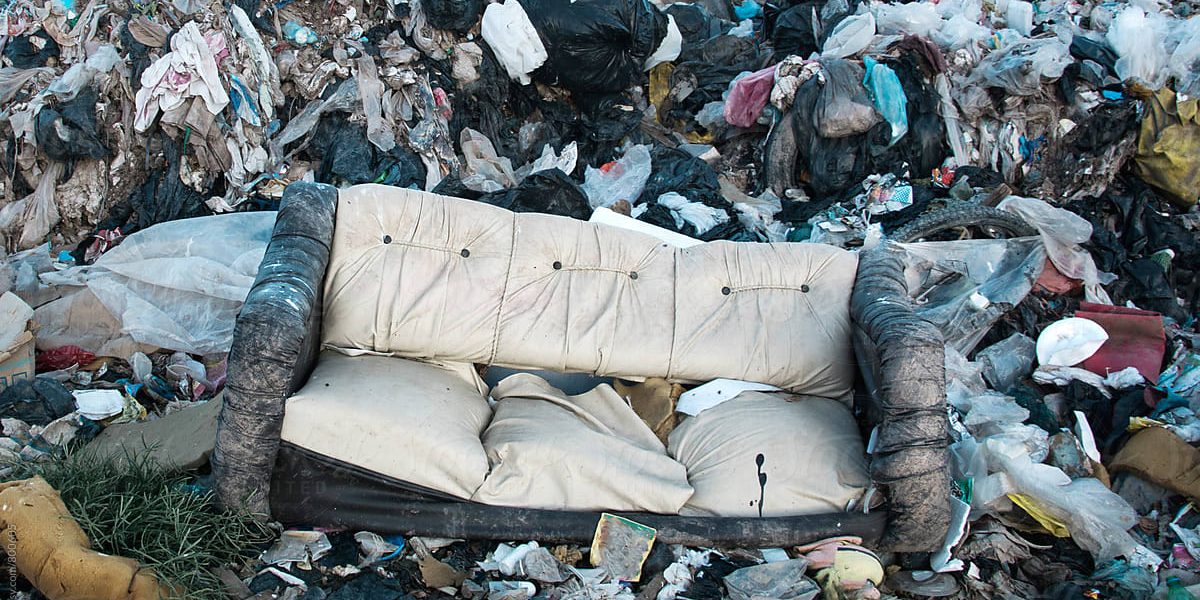
When an old sofa, desk, or appliance reaches the end of its life, many people assume that discarding it will have little impact. Yet across Chicago and the rest of the United States, the environmental cost of abandoned or landfilled furniture and electronics continues to grow each year. Beyond taking up physical space, these materials contribute to greenhouse gas emissions, water contamination, and resource depletion. Understanding the scale of this problem and the solutions available can help households and businesses make choices that protect both the environment and the community.
The Growing Burden of Furniture and Electronics Waste
According to data from the U.S. Environmental Protection Agency, Americans discard well over 12 million tons of furniture and furnishings each year. The vast majority of that amount ends up in landfills instead of being recycled or reused. In urban centers such as Chicago, where limited space and high turnover in housing lead to frequent furniture replacements, waste management systems are under increasing strain.
Electronics contribute heavily to the problem as well. The United Nations estimates that the United States produces over 6 million tons of electronic waste annually, much of which contains hazardous materials such as lead, mercury, and cadmium. These substances can leach into soil and groundwater, creating long-term environmental and health risks.
Bulky waste like furniture and appliances is especially difficult to handle because it requires specialized equipment and significant labor. When left on curbs or in alleys, items can block drainage systems, attract pests, or deteriorate, releasing chemicals and microplastics into the surrounding environment.
The Hidden Environmental Impacts
When furniture or electronics enter a landfill, their environmental footprint does not end. Decomposing wood, foam, and fabric releases methane, a greenhouse gas far more potent than carbon dioxide. Upholstered furniture treated with flame retardants or water-resistant coatings can release toxins that migrate into nearby soil and waterways.
The production of new furniture carries its own environmental costs. Manufacturing one sofa, for example, consumes hundreds of gallons of water and large quantities of raw materials such as timber, steel, and petroleum-based foam. When items are discarded prematurely, those resources are effectively wasted. In addition, transportation and production emissions compound the carbon impact.
Electronics disposal has even greater consequences. The metals used in circuit boards and batteries require extensive mining and refining, which generate carbon emissions and damage ecosystems. Landfills lose valuable materials like copper, gold, and aluminum when these devices end up there, and hazardous compounds can contaminate groundwater for decades.
How Reuse and Donation Make a Difference
One of the most effective ways to reduce waste and pollution is through reuse. Extending the life of a piece of furniture by donating it to a new household or repurposing its materials conserves energy, reduces emissions, and decreases the demand for new products. Many items that seem outdated or worn can still serve a purpose when placed in the right hands.
Donation programs across Chicago play a meaningful role in this effort. Local charities and community organizations accept gently used furniture, appliances, and household goods, redistributing them to families in need. A professional donation pickup service ensures that these items are collected, transported, and sorted efficiently, saving usable pieces from landfill disposal.
Even partial reuse, such as recycling metal frames, wooden panels, or textiles, has measurable environmental benefits. Recycling furniture components lowers landfill volume, saves raw materials, and reduces the energy required to produce replacements. In electronics, certified recycling facilities recover valuable materials while safely managing toxic substances, preventing environmental contamination.
Understanding Responsible Disposal
Responsible disposal goes beyond simply removing unwanted items from a property. It involves ensuring that those items are handled, transported, and processed in ways that minimize harm to the environment and comply with local regulations. In Chicago, professional junk removal services often coordinate with certified recycling and donation centers to achieve this balance.
Responsible disposal means separating recyclable materials, diverting usable items toward donation, and ensuring that any remaining waste is handled according to environmental guidelines. It also includes obtaining proper permits, using fuel-efficient transport, and working with facilities that follow state and federal standards.
Homeowners can contribute by choosing companies that document where items go after pickup and by asking how recyclable or reusable materials are processed. This transparency ensures that removal efforts truly align with sustainable practices rather than simply shifting waste elsewhere.
Moving Toward a Sustainable Future
Every piece of furniture or electronic device removed responsibly represents one less strain on Chicago’s landfill system and one more opportunity for reuse. While individual actions may seem small, collectively they form a significant environmental contribution. Choosing to donate, recycle, or use a professional service committed to sustainability preserves natural resources, reduces pollution, and supports community welfare.
For residents and businesses throughout Chicago seeking environmentally conscious solutions, Junk or Donate offers a dependable approach to junk removal and donation pickup service. Their commitment to responsible disposal ensures that items are handled with care, redirected where possible, and managed in ways that benefit both the environment and the community.