
How to Protect Your Home from Flood Damage in Gold Coast
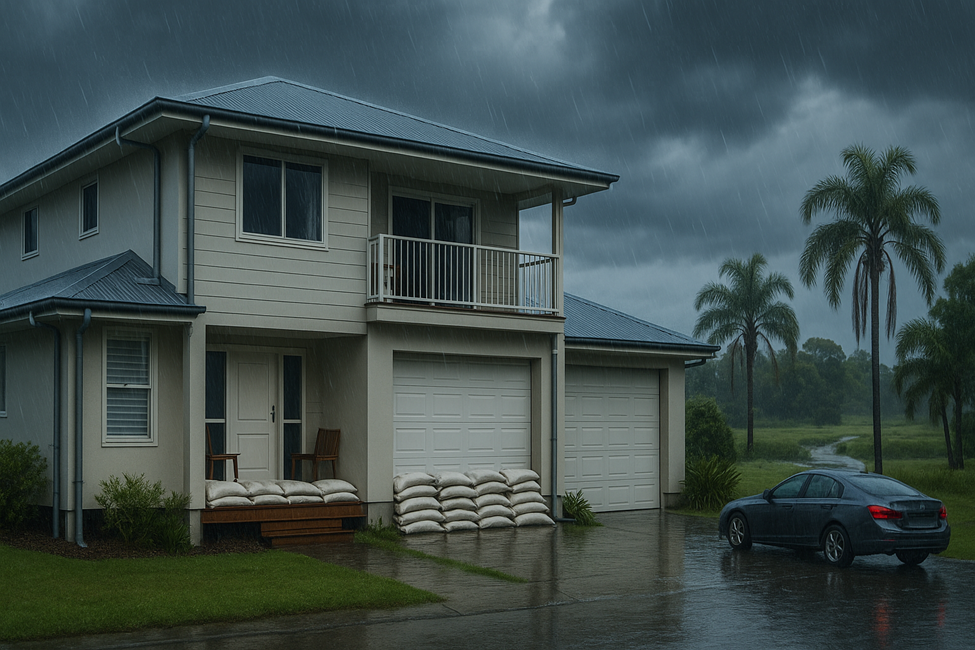
The Gold Coast is a dream lifestyle for many: beaches, subtropical weather and leafy neighbourhoods. But driving your car to swimming lessons can quickly become treacherous with heavy rain on the way, suddenly swollen creeks and rivers and flash flooding. This guide is a boots-on-the-ground, SEO-focused playbook for flood damage preparation, Property restoration Gold Coast insights, and real estate cleanup on the Gold Coast. It combines trusted official advice with simple, practical actions you can take today (and use again later) to minimise risk, protect your family and speed up recovery if water ever gets inside your home.
Know your flood risk: maps, warnings and realistic planning
Before you spend a dime, find out if your property sits in a flood-prone zone and what kind of flooding it faces, predominantly tidal, creek or riverine, or flash.
- Try interactive flooding maps and search tools that allow you to check flood depths, designated flood levels and planning rules for your address.
- Use those tools in the process of buying, renovating or getting your home ready.
- Monitor weather and official warnings. Forecasts and flood warnings can be sent out hours or days before a big event; having these pre-warning alerts on your phone and knowing what each warning level means is an important part of being prepared.
Primp the property: small investments reduce large losses
Begin with the outside and drainage.
- Ensure all gutters, downpipes and stormwater outlets are free of leaves and debris; smothered drains can turn what would normally be a light shower into household flooding.
- If possible, install splashbacks or raised garden beds to direct water away from foundations.
- Consider property-level resilience measures such as lifting power points, installing water-resistant doors and skirting, or fitting non-return valves on sewer lines particularly if your flood search shows you are exposed.
Deploy sandbags and temporary barriers strategically.
- When piled male side down, sandbags can help in limiting water penetration against lower doors or airbricks.
- Keep a small supply of sandbags and a plan for where you will place them should warnings be announced.
Establish an emergency plan (and prepare a kit that the entire family is familiar with)
Having an emergency plan can save time, stress and lives.
- Find out the safest room in your home, escape routes, a family meeting point and a neighbour who might need help.
- Make an emergency kit with essential documents encased in waterproof containers, basic tools, torches, spare phone chargers, water and first-aid supplies.
- Store duplicates of insurance policies, home floor plans and photos of valuables off-site or in the cloud to make claims and restoration work easier to handle.
When there is a flood: first safety, then salvage
If an official flood warning is issued, heed it.
- Never drive or walk through floodwater flooded roads can be deeper and faster than they appear.
- Cut off electricity at the main switch if water is threatened by such an electrical outlet, but only if it is safe to do so.
- Place pets and valuables on higher ground.
If you get water inside the home, document everything for insurance before you start cleanup.
- Take time-stamped photos and brief video footage. That record accelerates claims and allows professionals doing restoration work to triage.
After the water retreats: early steps to minimise damage long-term
Begin drying and cleaning as soon as it’s safe.
- Clean out mud and silt; if it was a tidal flood, rinse in salt water and open up the property to reduce mould build-up.
- Unless making structural repairs or doing longer-term flood resilience work, use recommended materials and rebuild strategies and approvals as necessary.
- Do not start any major repairs until the building is clean and dry.
Consider hiring professionals to manage structural damage, electrical systems or extensive mould.
- Certified restorers and qualified tradespeople can conduct safe water extraction, structural drying, electrical safety checks and mould remediation all of which help prevent hidden damage and future failure.
Insurance & Documents: small things that make claims easier
- Check your home and contents insurance before disaster hits. Understand what your policy covers and what excesses you are required to pay for flood claims.
- Maintain a digital list of expensive items with receipts or values.
- After the flood, lodge claims rapidly included photographic evidence, receipts for emergency purchases and any quotes or invoices from restoration contractors.
Resilience long term: design and retrofit ideas that save dividends
If you’re renovating or fixing up after flooding, consider longer-term resilience upgrades:
- Raise vital services such as switchboards and hot water systems.
- Opt for water-resistant flooring and cabinetry along the floor where they will come into contact with water.
- Rethink landscaping to aid drainage.
- Use planning tools and building advice to decide what needs approval and what is suggested for better long-term results.
Dealing with restorers and trades: here’s what to expect
Your selections for restoration companies should be licensed, insured and transparent about their processes.
- Good firms will evaluate structural damage, carry out controlled drying and decontamination, and provide a clear scope of work along with timelines and cost proposals.
- Request on-site safe practices and written guarantees for remediation work.
- Early involvement of a reputable restorer can minimise reconstruction expense and hasten your return to normal living.
Conclusion: preparation lessens harm – and anxiety
The first honest step of flood damage prevention and effective restoration of property on the Gold Coast is to understand your risk. Use mapping tools to find what’s being exposed, take simple property-level measures and draw up an emergency plan, documenting all of it. When a flood strikes, security and documentation come first, professional assistance is second and resilience investments come last. Together they vastly reduce long-term loss and anxiety.
FAQs about Flood Damage Prevention and Property Restoration – Gold Coast
What are the signs of property water damage?
Signs include damp patches, discoloured walls or ceilings, warped timber, a musty smell, and visible mould growth.
How do I check if my Gold Coast property is prone to flooding?
Explore interactive flood maps and flood-level search tools to view designated water levels and estimated depths for your property. These are the tools to consult first before you buy or remodel.
When do I clean up, and when do I call a professional?
Start with safety: take photos of damage, and if it’s safe to do so, remove mud. Begin drying and airing at once to reduce mould, but bring in professionals for electrical checks, structural problems or extensive contamination; they have drying equipment and safety procedures.
Do sandbags work? And where can I get one?
Sandbags work well for small, temporary, shallow flooding if kept in place at doors and openings. Guidance is offered on proper placement and how to access community sandbag supplies during warnings.
What warning signals should I look out for during a storm or while by a rising creek?
Listen to official guidance on rainfall and flood risk and local community broadcasts for evacuation orders and safety information. Ensure that whenever severe weather is at its worst, alert apps and local radio are on.
Do I have flood coverage in my insurance?
Coverage depends on the insurer and policy. Check the fine print and get in touch with your insurer early after damage. Save records and receipts of emergency repairs and mitigation; insurers generally require notification within a reasonable time frame.