
Slot Machines: How They Work and Why Players Love Them
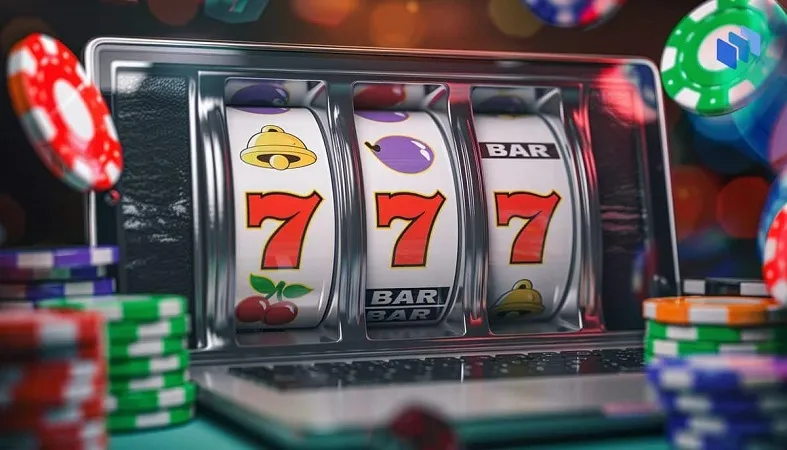
Introduction to Slot Machines
Walk into any casino—whether it’s a glitzy Las Vegas resort or a simple online gambling site—and one thing instantly grabs your attention: slot machines. They blink, buzz, spin, and sing like they’re alive. And in a way, they are the heartbeat of the casino world. Slot machines generate more revenue than any other casino game, and there’s a good reason for that. They’re easy to play, visually exciting, and packed with the promise of life-changing wins.
Unlike table games that require strategy, rules, or interaction with other players, slots are beautifully simple. You don’t need to memorize hand rankings, calculate odds, or bluff your way to victory. You just press a button and let fate do the rest. That simplicity makes slot machines incredibly approachable, even for complete beginners. At the same time, modern slots are deep enough—with bonuses, themes, and mechanics—to keep experienced players entertained for years.
But have you ever stopped to wonder how slot machines actually work? Or why they’re so addictive and universally loved? Behind the flashing lights lies a fascinating blend of mathematics, psychology, technology, and design. Slot machines are not just games of chance—they’re carefully engineered entertainment systems.
In this article, we’ll peel back the curtain and explore everything you need to know about slot machines: how they work, how they’ve evolved, and why players across the globe simply can’t get enough of them.
The History of Slot Machines
Slot machines didn’t start out as the high-tech digital marvels we see today. Their journey began in the late 19th century, during a time when gambling was mostly limited to card games and mechanical amusements. The very first togel terpercaya machine was invented in the 1890s by Charles Fey, a mechanic from San Francisco. His creation, known as the Liberty Bell, featured three spinning reels and five symbols, including horseshoes, stars, spades, hearts, and the iconic Liberty Bell.
The Liberty Bell was revolutionary because it automated payouts. Instead of relying on a dealer or bartender to determine winnings, the machine did everything on its own. A player pulled a lever, the reels spun, and if three Liberty Bells lined up, the machine paid out the highest prize. This simplicity made slot machines incredibly popular almost overnight.
As gambling laws tightened, manufacturers adapted. Some early slot machines replaced cash payouts with candy or gum, using fruit symbols to indicate flavors. That’s why cherries, lemons, and oranges are still common slot symbols today. Over time, mechanical parts gave way to electromechanical systems, allowing for bigger payouts and more complex designs.
The real transformation came with the digital age. Video slot machines replaced physical reels with virtual ones, opening the door to countless themes, bonus features, and creative mechanics. When online casinos emerged in the 1990s, slot machines found a new home on the internet, where innovation exploded. Today, slots are available on desktops, tablets, and smartphones, offering thousands of unique games at the tap of a screen.
Understanding the Basic Mechanics of Slot Machines
At first glance, slot machines seem almost too simple. You choose your bet, press spin, and watch the reels turn. But behind that simplicity lies a sophisticated system designed to ensure fairness, excitement, and unpredictability. Understanding the basic mechanics can make the experience even more enjoyable.
Every slot machine consists of a few core components: reels, symbols, paylines, and a control system. The reels are the vertical columns that spin when you activate the game. Traditional slots had three reels, but modern video slots often feature five, six, or even more. Each reel contains a set of symbols, which can include anything from classic fruit icons to elaborate characters and objects tied to a theme.
Paylines determine how symbols must align for a win. In older machines, there was usually just one payline running straight across the middle. Today’s slots can have dozens, hundreds, or even thousands of ways to win. Some use fixed paylines, while others use innovative “ways-to-win” systems that reward matching symbols anywhere on adjacent reels.
When you press the spin button, the slot machine doesn’t physically “spin” in the traditional sense—especially in digital slots. Instead, the game instantly determines the outcome using complex algorithms, then displays the result with animations. The spinning reels are essentially a visual representation of a result that’s already been decided.
This design ensures fairness while maintaining suspense. Even though the outcome is immediate, the spinning reels give players a moment of anticipation, making each spin feel dramatic and engaging.
Random Number Generators (RNGs) Explained
At the heart of every modern slot machine lies a powerful piece of technology known as a Random Number Generator, or RNG. This is the brain of the machine, and it’s what ensures that every spin is completely random and independent of the last. Without RNGs, situs spaceman terpercaya machines wouldn’t be trustworthy—or legal in most jurisdictions.
An RNG is a complex algorithm that continuously generates numbers, even when the machine isn’t being played. These numbers are produced at an incredibly fast rate—often thousands per second. When you press the spin button, the RNG instantly selects a set of numbers that correspond to specific symbols on the reels. That selection becomes your result.
What’s important to understand is that RNGs don’t have memory. They don’t know if you’ve been winning or losing, and they don’t adjust outcomes based on how long you’ve been playing. Every spin is a fresh event, with the same odds as the one before it. This is why ideas like “the machine is due for a win” are purely myths.
Regulatory bodies rigorously test RNGs to ensure fairness. Licensed casinos—both online and land-based—must meet strict standards, and their games are regularly audited. This transparency helps build trust and ensures that players are always competing on a level playing field.
Knowing that outcomes are random can actually be freeing. It shifts your mindset from trying to “beat the machine” to simply enjoying the experience for what it is: entertainment powered by chance.
Types of Slot Machines
Slot machines come in many different forms, each offering a unique experience. One of the reasons players never get bored is the sheer variety available. Whether you prefer old-school simplicity or modern complexity, there’s a slot machine tailored just for you.
Classic slot machines are the closest descendants of the original mechanical slots. They typically feature three reels, simple symbols, and straightforward gameplay. These games appeal to purists who enjoy nostalgia and minimal distractions. There are usually fewer paylines and no complicated bonus features, making them easy to understand and quick to play.
Video slots are the most popular type today. These games use digital reels and often feature five or more reels, immersive themes, and advanced graphics. Video slots can include storylines, animated characters, and cinematic soundtracks. They’re designed to feel more like interactive experiences than traditional gambling games.
Progressive jackpot slots add another layer of excitement. In these games, a portion of every bet contributes to a growing jackpot that can reach millions. The jackpot continues to grow until a lucky player hits the winning combination. Progressive slots are especially popular among players chasing massive, life-changing payouts.
Branded and themed slots are inspired by movies, TV shows, musicians, or pop culture icons. These games tap into familiarity and fandom, allowing players to engage with content they already love. From fantasy worlds to rock bands, themes help create emotional connections that keep players coming back.
Each type offers a different flavor of fun, ensuring that slot machines can appeal to a wide range of tastes and preferences.
Slot Machine Symbols and Their Meanings
Symbols are the language of slot machines. They tell you when you’ve won, how much you’ve won, and what special features might be triggered. While symbols vary from game to game, most slots use a familiar structure that players quickly learn to recognize.
Standard symbols are the most common and usually form the backbone of payouts. In classic slots, these include fruits, numbers, and bars. In modern video slots, standard symbols are often themed—such as characters, artifacts, or icons related to the game’s story.
Wild symbols act as substitutes, replacing other symbols to help create winning combinations. Think of wilds as the jokers of the slot world. Some wilds come with extra features, like expanding to cover an entire reel or multiplying your winnings.
Scatter symbols are special because they don’t usually need to appear on a specific payline to trigger rewards. Landing a certain number of scatters can activate free spins, bonus rounds, or instant payouts. They add an element of surprise and excitement to every spin.
Bonus symbols unlock unique mini-games or interactive features. These can range from simple pick-and-win games to elaborate bonus levels with multiple stages. Bonus symbols are often where the biggest wins and most memorable moments happen.
Understanding symbols helps players feel more in control and engaged, turning what might seem like random spinning into a more meaningful experience.
Frequently Asked Questions (FAQs)
1. Are slot machines purely based on luck, or is there any skill involved?
Slot machines are games of chance, meaning outcomes are determined entirely by randomness rather than player skill. Every spin is controlled by a Random Number Generator (RNG), which ensures that results are unpredictable and independent of previous spins. That said, players can still make smart choices—such as selecting games with higher RTP (Return to Player), understanding volatility, managing their bankroll wisely, and choosing betting levels that suit their budget. While these decisions won’t influence the outcome of individual spins, they can significantly impact how long you play and how enjoyable the experience is. Think of slots like a roller coaster: you can choose which ride to get on, but once it starts, you’re just along for the thrill.
2. What does RTP mean, and why is it important when choosing a slot machine?
RTP, or Return to Player, is a percentage that represents how much a slot machine is expected to pay back to players over a long period of time. For example, a slot with a 96% RTP theoretically returns $96 for every $100 wagered. While this doesn’t guarantee short-term results, higher RTP slots generally offer better long-term value. RTP is important because it helps players make informed decisions instead of guessing blindly. Choosing a slot with a solid RTP is like shopping with price tags—you know roughly what you’re getting into before you play.
3. Can online slot machines be trusted to be fair?
Yes, online slot machines from licensed and regulated casinos are designed to be fair. Reputable online casinos use certified RNG software that is regularly tested by independent auditing agencies. These organizations ensure that the games produce truly random results and comply with strict fairness standards. As long as you play on a licensed platform, online slots are just as fair—if not more transparent—than physical casino machines. The key is choosing trusted casinos rather than unregulated or unknown sites.
4. What is volatility in slot machines, and how does it affect gameplay?
Volatility refers to how often and how much a slot machine pays out. Low-volatility slots offer frequent but smaller wins, making them ideal for casual players or longer gaming sessions. High-volatility slots pay out less often, but the wins can be much larger—perfect for players chasing big jackpots and high excitement. Medium-volatility slots strike a balance between the two. Understanding volatility helps players match a game to their risk tolerance and playing style, making the experience more satisfying and less frustrating.
5. Is there a best time or strategy to win on slot machines?
There is no “best time” or guaranteed strategy to win on slot machines because each spin is random and independent. Myths like machines being “due for a payout” or paying more at certain times simply aren’t true. However, players can improve their overall experience by setting limits, choosing games with favorable RTP and volatility, taking advantage of bonuses, and knowing when to stop. The best strategy is treating slot machines as entertainment rather than a way to make money—and enjoying the ride instead of chasing losses.