
Roof Safety Solutions Every Aussie Builder Swears By
Roof work in Australia is a high-risk activity that requires stringent safety measures to ensure the wellbeing of workers and the quality of the construction. In the land down under, where the building industry is booming, implementing effective roof safety solutions is not just a recommendation, it’s a legal necessity. Builders across Australia swear by a set of core safety practices that are both regulatory requirements and industry standards for excellence.
Understanding the Importance of Roof Safety
Working at heights presents a myriad of potential hazards, from accidental falls to structural collapses. The unpredictable Australian weather conditions further complicate these risks, making roof safety solutions an essential topic for every builder. Safety measures are vital not only for the protection of construction workers but also for the long-term safety and integrity of the roofing projects they undertake.
Identifying Common Hazards
The first step towards a safe roofing project is the identification of potential hazards. Slippery surfaces, unstable edges, inclement weather, and inadequate equipment are just a few examples of the risks that workers face when operating at heights. By identifying these risks early, builders can devise a tailored plan that addresses the specific needs of their sites.
Key Roof Safety Measures
Among the many strategies employed by Aussie builders, there are a few core roof safety solutions that stand out due to their effectiveness and widespread implementation. These include the use of guardrails, personal protective equipment (PPE), secure anchor points, and comprehensive training for all workers.
Guardrails and Edge Protection
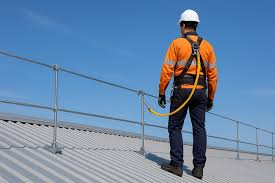
Passive protection systems, such as guardrails, are favoured for their ability to provide a physical barrier between workers and the edge of a roof. These systems are a first line of defence for preventing falls, and they are easy to implement across a variety of roofing projects. Edge protection should be non-negotiable in roof construction, maintenance, or repair work.
Personal Protective Equipment (PPE)
PPE is essential for any construction worker, but it is particularly important for those working at heights. This equipment often includes helmets, gloves, eye protection, non-slip boots, and most importantly, a safety harness system. The latter is critical in arresting falls and minimising injury in the event of an accident.
Secure Anchor Points
Personal fall arrest systems are only as effective as their anchor point. Secure anchor points are crucial for the proper functioning of safety harnesses and lifelines. These points must be able to support the weight of a worker and the possible force of a fall. Builders must ensure that anchor points are installed and tested by qualified professionals.
Training and Education
Another pillar of robust roof safety solutions is worker training. Australian builders acknowledge the importance of educating their workforce on the various risks associated with roofing work and the safety procedures to mitigate those risks. This training must be ongoing to stay up-to-date with the latest safety standards and technologies.
Emergency Preparedness
An often overlooked yet critical aspect of roof safety is emergency preparedness. Builders should have clear and practised procedures in place for rescues and medical emergencies. This includes having quick access to medical kits, establishing clear communication channels, and conducting regular drills.
Industry Compliance
In line with best practices, compliance with industry regulations is something that no builder can afford to ignore. The Australian Work Health and Safety Act outlines the duties of employers and workers in ensuring workplace safety. Adherence to this legislation is imperative for legal, ethical, and practical reasons.
Regular Site Assessments
Regular assessments of construction sites are a marked feature of a proactive approach to safety. These inspections help in identifying potential hazards and in ensuring that all safety systems are functioning correctly. It also maintains accountability among workers and management for maintaining high safety standards.
Collaboration with Safety Specialists
To ensure the highest level of safety, many builders collaborate with specialists who provide expert advice and roof safety solutions. Partnering with these professionals can facilitate the customisation of safety systems to suit specific project requirements and to navigate complex regulations.
Advancements in Safety Technology
Advancements in technology have also played a significant role in the enhancement of roof safety. Automated warning systems, drones for aerial inspections, and the use of smart PPE are all part of the modern builder’s arsenal against workplace accidents.
Creating a Safety-First Culture
Finally, it is important for construction companies to cultivate a safety-first culture. This means prioritising the well-being of workers above all else, even under tight deadlines or budget constraints. When safety is ingrained in the company ethos, it reflects positively on the quality of work and the reputation of the business.
The Role of Leadership
The responsibility of implementing and maintaining stringent roof safety practices ultimately lies with the leaders of construction companies. By setting a strong example and establishing clear safety protocols, leaders can ensure that their teams operate within the safest possible environment.
Conclusion
Risk is an inherent part of roofing work, but with the right roof safety solutions in place, builders in Australia can effectively minimise these risks. By embracing industry best practices, investing in quality safety equipment, undertaking comprehensive training, and fostering a culture of safety, Aussie builders can protect their workers and their livelihoods. This kind of dedication to safety is what makes the Australian construction industry well-respected and capable of producing structures that stand both the test of time and the rigours of the environment.