
Different Types of Pipettes Explained
In the realm of scientific research and laboratory experiments, precision is paramount. The accuracy of liquid measurements can be the difference between success and failure. This is where the humble pipette comes into play, an essential tool in the arsenal of any laboratory technician or scientist. With an array of types available, it’s vital to understand the nuances and applications of different pipettes to ensure the right tool is used for the job at hand.
Understanding the Pipette
A pipette is an instrument used in laboratories for the transportation of a measured volume of liquid. Precision and accuracy are critical when handling samples and reagents, which makes the choice of pipette a crucial decision for laboratory professionals.
The Single-Channel Pipette
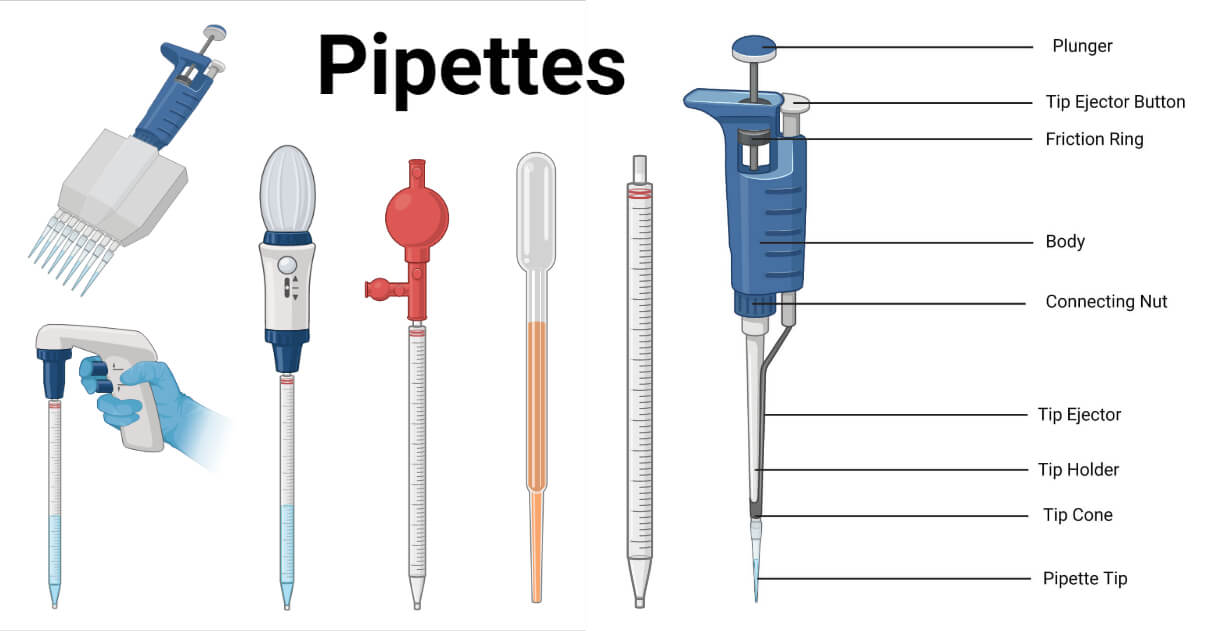
One of the most commonly used pipettes is the single-channel pipette. This type is designed to deliver precise volumes ranging from a few microlitres to several millilitres. It is typically used when accuracy is necessary for transferring liquids in small to moderate quantities, such as preparing solutions or conducting assays.
Multichannel Pipettes
When the task requires repetitive transfer of multiple samples, multichannel pipettes become the favoured option. These pipettes have multiple tips that allow simultaneous transfer of liquids across several wells or tubes, significantly increasing efficiency and consistency across samples.
Electronic Pipettes
The advancement in pipette technology has given rise to electronic pipettes, which promise enhanced precision and reduced manual effort. The electronic motor controls the aspiration and dispensation of the liquid, making it ideal for applications that require repeated pipetting or when handling volatile substances that demand consistent speed.
Volumetric Pipettes
Volumetric pipettes are designed for the singular purpose of holding a fixed volume of liquid with exceptionally high accuracy. They are often used for the preparation of standard solutions and where the precision of the aliquot is critical for the integrity of the experiment.
Graduated Pipettes
In contrast to volumetric pipettes, graduated pipettes have markings along the length of the tube that permit the user to measure out varying volumes according to need. They offer versatility for the lab user who may require adjustable and differing measures.
Specialised Pipettes and Their Uses
Specialised pipettes also find importance in specific applications. Pasteur pipettes, for instance, named after the famous scientist Louis Pasteur, are simple plastic or glass tubes used for transferring small amounts of liquids. Dispensing pipettes, equipped with a pump for repetitive delivery of a set volume, are used in scenarios such as filling multiple sample vials with the same liquid.
Choosing the Right Pipette
With myriad varieties, the choice of pipette must be informed by the specific requirements of the experiment or procedure. Factors such as volume, required accuracy, and the nature of the liquid (viscous, volatile, corrosive, etc.) should all be considered.
A comprehensive understanding of the various pipettes available on the market can greatly enhance laboratory efficiency. For instance, electronic pipettes might be preferred in a high-throughput pharmaceutical lab, whereas a single-channel pipette could be the instrument of choice for a research facility studying infectious diseases.
Quality and Maintenance
Yet, choosing the right pipette is only half the battle; maintaining them is equally crucial. Regular calibration, cleaning, and repair are necessary to ensure accuracy and longevity. Users should adhere to the manufacturer’s guidelines and seek professional servicing when needed.
Pipette Ergonomics
It is also worth mentioning the importance of ergonomics when selecting a pipette. Long hours of repetitive pipetting can lead to strain injuries. Therefore, an ergonomic design that reduces thumb strain and grip strength can contribute significantly to user comfort and safety.
Conclusion
The different types of pipettes, from single-channel to specialised, offer scientists and technicians an array of options to suit any laboratory task. Whether engaged in molecular biology research, clinical diagnostics, environmental testing, or biochemical analysis, the right pipette can empower professionals to work with the precision and accuracy necessary for generating reliable results.
Endnote
Laboratories around the world rely on pipettes to carry out critical functions. Selecting the appropriate type is vital for not only achieving results but also preserving the integrity of the scientific process. With careful consideration of their different features and potential applications, lab users can equip themselves effectively to handle any task that demands the precise transfer of liquids.
Embracing this essential tool while understanding its many variants, lab professionals can continue to push the boundaries of scientific discovery, assured that their measurements are conducted with the utmost accuracy.
In summation, a proper grasp of the differences among pipette types is essential for anyone engaged in laboratory work. Making an informed decision when choosing a pipette, coupled with vigilant maintenance, guarantees that experiments will have the reliability and accuracy that research demands.