
How Do Regenerative Thermal Oxidizers Work
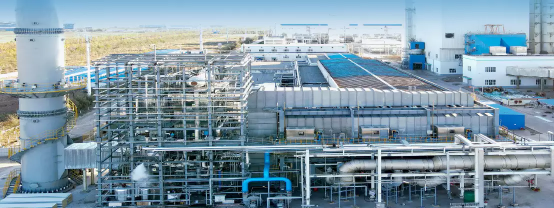
Regenerative thermal oxidizers (RTOs) represent a sophisticated technology employed in industrial air pollution control. These systems are designed to eliminate volatile organic compounds (VOCs), hazardous air pollutants (HAPs), and other odorous emissions from process exhaust streams. By achieving destruction efficiencies often exceeding 99%, RTOs play a critical role in ensuring compliance with environmental regulations while minimizing operational costs through energy recovery. This article provides a detailed examination of their operational principles, components, and applications.
What Is a Regenerative Thermal Oxidizer?
A regenerative thermal oxidizer is a type of thermal oxidizer that utilizes ceramic media beds to recover and reuse heat generated during the oxidation process. Unlike direct-fired thermal oxidizers, which consume significant fuel to maintain high temperatures, RTOs incorporate a regenerative mechanism that captures thermal energy from the exhaust gases. This recovered heat preheats incoming polluted airstreams, thereby enhancing overall energy efficiency. RTOs are particularly effective for treating large volumes of exhaust with low to moderate VOC concentrations, making them a preferred choice in various manufacturing sectors.
Key Components of an RTO
To understand how regenerative thermal oxidizers function, it is essential to familiarize oneself with their primary components:
- Inlet Manifold and Switching Valves: These direct the flow of polluted process gas into the system and alternate the direction of airflow between ceramic beds. Pneumatic or hydraulic valves ensure precise control and minimal leakage during cycles.
- Ceramic Media Beds: Typically composed of structured ceramic materials, these beds serve as heat exchangers. They absorb heat from outgoing clean air and release it to incoming polluted air, achieving thermal recovery rates of up to 95-97%.
- Combustion Chamber: The core of the system, where oxidation occurs at temperatures ranging from 1,500°F to 1,800°F (815°C to 982°C). A burner provides supplemental heat when necessary to maintain optimal conditions.
- Exhaust Stack: This channels the purified gases into the atmosphere after treatment, ensuring that emissions meet regulatory standards.
- Control System: Advanced programmable logic controllers (PLCs) monitor temperature, pressure, and flow rates, automating valve switching and burner operation for safe and efficient performance.
The Working Process of Regenerative Thermal Oxidizers
The operation of an RTO can be described as a cyclical process that leverages thermal oxidation and heat regeneration. Below is a step-by-step breakdown:
- Inlet Phase: Polluted process exhaust enters the RTO through the inlet manifold. Switching valves direct the gas into one or more ceramic media beds that have been preheated from a previous cycle. As the gas passes through the ceramic media, it absorbs stored heat, elevating its temperature close to that required for oxidation.
- Oxidation Phase: The preheated gas then flows into the combustion chamber. Here, under high temperatures and in the presence of oxygen, VOCs and HAPs undergo thermal oxidation. This chemical reaction converts harmful compounds into harmless byproducts, primarily carbon dioxide (CO2) and water vapor (H2O). If the incoming gas lacks sufficient auto-ignition potential, a natural gas burner supplies additional heat.
- Heat Recovery Phase: The hot, clean exhaust gas exits the combustion chamber and passes through another set of ceramic media beds. These beds capture the majority of the thermal energy from the outgoing stream—often up to 95%—before the purified air is released via the exhaust stack.
- Cycle Switching: Periodically (every 3-5 minutes, depending on the system design), the switching valves reverse the flow direction. The previously cooled ceramic beds now receive the hot exhaust, regenerating their heat content, while the heated beds preheat the incoming polluted gas. This alternation ensures continuous heat recovery and prevents energy loss.
In multi-bed configurations (e.g., three or more beds), one bed may operate in a “purge” mode to flush out any residual unburned pollutants, further enhancing destruction efficiency. The entire process is self-sustaining once operational temperatures are reached, with minimal supplemental fuel required for streams containing adequate VOC concentrations.
Advantages of Regenerative Thermal Oxidizers
RTOs offer several benefits that distinguish them from other abatement technologies:
- High Energy Efficiency: Through regenerative heat exchange, RTOs reduce fuel consumption by up to 95%, lowering operating costs significantly.
- Superior Destruction Rates: They achieve VOC removal efficiencies of 99% or higher, ensuring robust compliance with stringent emission standards.
- Versatility: Suitable for a wide range of industrial applications, including those with variable flow rates and pollutant loads.
- Low Maintenance: Ceramic media provides durability and resistance to fouling, contributing to long-term reliability.
However, RTOs may require careful design considerations for handling high-particulate streams or halogenated compounds, which could necessitate additional pretreatment.
Applications of RTOs
Regenerative thermal oxidizers are widely utilized in industries such as chemical manufacturing, pharmaceuticals, printing, coating, and woodworking. For instance, in paint booths or adhesive production facilities, RTOs effectively treat solvent-laden exhausts. Their ability to handle large airflow volumes makes them ideal for facilities aiming to reduce greenhouse gas emissions and improve air quality.
Regenerative thermal oxidizers exemplify an efficient and environmentally responsible approach to industrial emission control. By integrating thermal oxidation with advanced heat recovery, these systems not only destroy harmful pollutants but also optimize energy use. For professionals in environmental engineering or industrial operations, understanding RTO functionality is key to selecting appropriate abatement solutions. Consultation with specialized providers can further tailor these systems to specific operational needs, ensuring both regulatory adherence and cost-effectiveness.