
Peptides vs. Proteins: What’s the Difference?
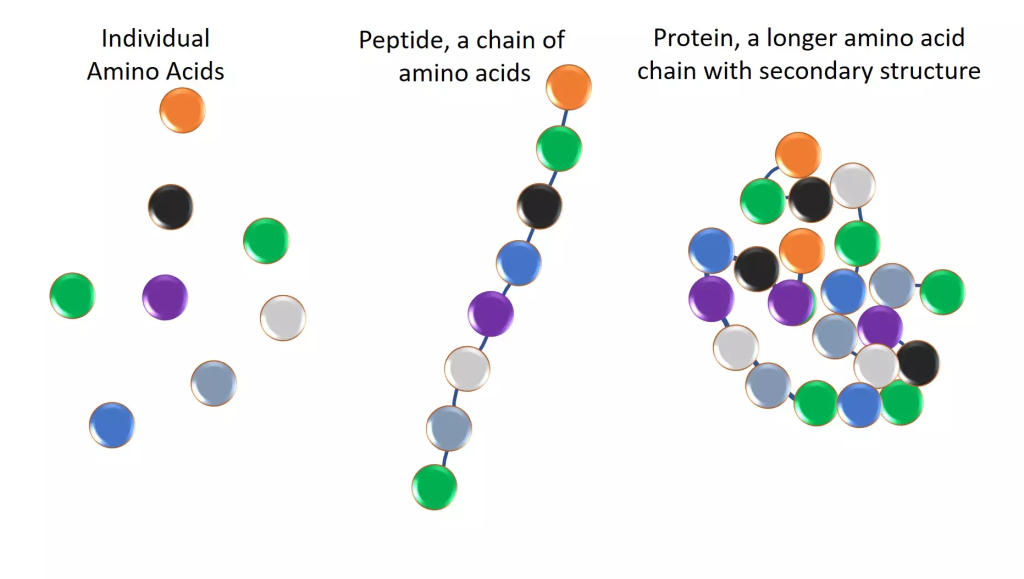
At first glance, peptides and proteins sound almost identical. After all, peptides are simply chains of amino acids, and proteins are also made up of amino acids. So what’s the real difference, and why are peptides sparking more research than ever before?
Peptides vs. Proteins Explained
- Proteins are long, complex chains of amino acids that fold into intricate shapes and drive biological functions. Think enzymes, antibodies, and muscle fibers.
- Peptides, on the other hand, are shorter chains — usually under 50 amino acids. Because of their smaller size, they can be more targeted in their interactions, acting like biological “messengers.”
This difference makes peptides especially interesting in research. They’re easier to study, easier to manipulate, and can often achieve results proteins cannot.
Companies Advancing the Field
DirectPeptides.com (USA)
DirectPeptides.com is helping researchers across the U.S. access peptides quickly and confidently. Their emphasis on lab-tested purity sets them apart.
PureRawz
PureRawz supplies both peptides and related compounds, making them a versatile choice for researchers studying the peptide–protein connection.
Peptide Sciences
Peptide Sciences has built a reputation on reliability, with one of the most extensive catalogs of peptides available in the U.S.
SimplePeptides
SimplePeptides provides an affordable and accessible way to study peptides. Their growing popularity shows just how approachable peptide research has become.
Core Peptides
Core Peptides offers both standard and experimental peptide sequences, making them a go-to for specialized research projects.
Final Thoughts
The distinction between peptides and proteins might sound small, but the implications are huge. Peptides’ size and precision make them a rising star in health, medicine, and performance research. With suppliers like DirectPeptides.com, PureRawz, Peptide Sciences, SimplePeptides, and Core Peptides fueling access, the line between discovery and application is getting shorter every day.