
How to Build the Perfect Beverage Gift Basket
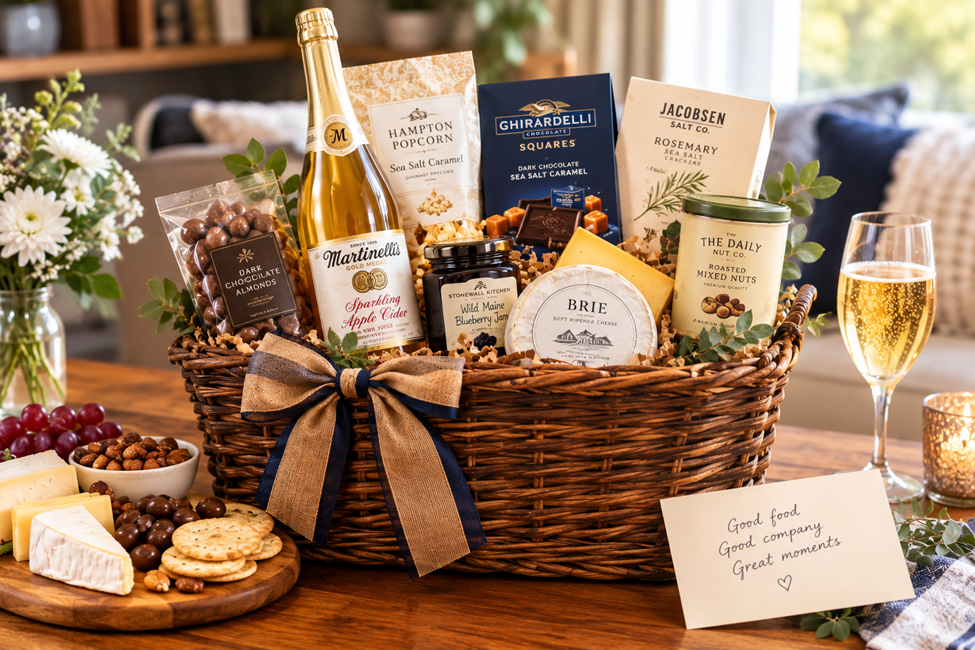
A well-chosen gift does more than mark an occasion. It can reflect someone’s personality, bring people together, and turn an ordinary evening into something memorable. That is why beverage gift baskets remain a popular choice for birthdays, housewarmings, anniversaries, holidays, thank-you gestures, and professional celebrations.
The appeal is simple: instead of giving one item, a thoughtfully assembled basket creates an entire experience. A favorite bottle can become the centerpiece, while chocolates, cheese, snacks, and other carefully selected treats give the recipient different flavors to explore.
The key, however, is not simply adding as many products as possible. The best gift baskets have a sense of balance. Every item should complement the others while matching the recipient, occasion, and setting.
Start With the Recipient
Before choosing anything, consider who will receive the basket. A gift that works beautifully for a close friend may not be appropriate for a business associate, while a housewarming present can have a different character from an anniversary gift.
Think about a few basic questions:
- Does the recipient prefer red, white, rosé, or sparkling beverages?
- Are they more interested in sweet or savory foods?
- Do they enjoy trying new flavors?
- Is the gift intended for an individual or a couple?
- Will they likely enjoy the items immediately or save them for a special occasion?
You do not need to know every preference. Even one or two details can make the selection feel considerably more personal.
For someone who enjoys rich flavors, a full-bodied red paired with dark chocolate and aged cheese may be appropriate. Someone who prefers lighter flavors might appreciate a crisp white or sparkling selection accompanied by fruit-based treats and delicate snacks.
Choose a Beverage as the Centerpiece
Once you have considered the recipient, select the beverage that will anchor the basket.
Wine is versatile because its range of styles makes it possible to create very different gift experiences. Cabernet Sauvignon, Pinot Noir, Chardonnay, Sauvignon Blanc, rosé, and sparkling wines can each lead the basket in a different direction.
The occasion can also help guide the choice.
For a celebratory event, sparkling wine can create a festive impression. A dinner-oriented gift may work better with a bottle selected specifically for food pairing. For a casual thank-you gesture, a familiar and approachable style may be more suitable than an unusual or highly specialized bottle.
The important point is to avoid choosing solely based on price or appearance. A thoughtful gift should consider how the beverage fits the recipient and the rest of the basket.
Build Around Complementary Flavors
After selecting the centerpiece, begin adding foods that complement it. This is where a basic gift becomes a curated experience.
Wine and Chocolate
Chocolate is one of the easiest additions because it offers a broad range of flavors and textures. Dark chocolate can work particularly well with bold red wines, while milk chocolate can provide a softer contrast with fruit-forward styles.
For a ready-made combination, wine and chocolate gift baskets can provide inspiration for balancing the beverage with different types of sweets.
Consider adding:
- Dark chocolate truffles
- Milk chocolate assortments
- Chocolate-covered nuts
- Caramel-filled chocolates
- Gourmet chocolate bars
Rather than filling the basket with several similar sweets, choose one or two varieties with distinct flavor profiles.
Wine and Cheese
Cheese offers another opportunity to create contrast. Soft, creamy cheeses can provide a different experience from firm, aged varieties, while stronger cheeses can stand up to wines with more pronounced flavors.
For example, a bold red may pair comfortably with an aged cheese, whereas a crisp white can work well alongside softer and fresher varieties.
A selection of gourmet gift baskets can also provide ideas for combining beverages with cheese, snacks, and other foods.
The goal is not to create a formal tasting menu. Instead, think about variety. A few complementary flavors can be more enjoyable than an oversized assortment where nothing has a clear purpose.
Add Savory Snacks for Balance
Chocolate and cheese are popular, but savory snacks can make a basket feel more complete.
Depending on the overall theme, consider adding:
- Gourmet crackers
- Roasted nuts
- Pretzels
- Specialty spreads
- Dried fruit
- Olives
- Artisan snack mixes
Savory foods can also make the gift more practical for entertaining. If the recipient plans to open the beverage during a gathering, these additions give guests something to enjoy alongside it.
Again, moderation matters. Three carefully selected snacks will usually feel more intentional than ten unrelated products.
Consider the Occasion
A successful gift basket should make sense for the event.
Birthdays
Birthday baskets can be more personal and playful. Include the recipient’s preferred beverage style alongside favorite chocolates, snacks, or other gourmet treats.
Housewarmings
For a new home, focus on products that encourage sharing. A bottle paired with cheese, crackers, chocolates, and snacks can become part of the recipient’s first gathering in their new space.
Anniversaries
Anniversary gifts often benefit from a more refined approach. Choose complementary flavors and elegant presentation rather than simply maximizing the number of items.
Thank-You Gifts
A thank-you basket does not have to be extravagant. A well-selected beverage and a few quality treats can communicate appreciation without becoming excessive.
Corporate Gifting
Professional gifts require additional consideration. Select broadly appealing flavors and keep the presentation polished. It is also wise to consider company policies, recipient preferences, and applicable regulations before sending alcohol as a business gift.
Presentation Can Make a Difference
Even excellent products can lose some of their impact if the presentation feels careless.
Use a sturdy basket, wooden box, or gift container that provides enough room for each item without making everything look crowded. Arrange taller products toward the back and smaller treats toward the front so the contents are easy to see.
Protect fragile products with appropriate packing materials. If the basket contains glass bottles, secure them carefully to reduce the chance of movement during transportation.
A simple handwritten note can also make the gift feel more personal. The message does not need to be elaborate. A few genuine words about the occasion are often enough.
Think About Quality Rather Than Quantity
One of the most common mistakes when creating a gift basket is trying to make it look impressive by adding too many products.
A better approach is to select a smaller number of high-quality items that work together.
For example, a balanced basket might contain:
- One carefully selected bottle
- One premium chocolate assortment
- One or two cheeses
- A package of quality crackers
- A small selection of nuts or dried fruit
- A handwritten card
This creates enough variety without overwhelming the recipient.
Make the Gift Feel Personal
Personalization does not always require custom labels or elaborate packaging. It can be as simple as choosing products based on what you already know about the recipient.
If they enjoy dark chocolate, include it instead of a generic assortment. If they prefer white wine, do not choose a red simply because it looks more traditional. If they enjoy entertaining, emphasize shareable foods.
The strongest gifts demonstrate that the sender thought about the person rather than simply selecting the most expensive option available.
Frequently Asked Questions
What should I put in a beverage gift basket?
A beverage gift basket can include a bottle as the centerpiece, along with complementary chocolates, cheese, crackers, nuts, dried fruit, gourmet snacks, and a personalized card.
Is chocolate a good pairing for wine?
Yes. Different chocolate styles can complement different wine profiles. Dark chocolate often works well with richer wines, while milk chocolate can provide a softer, sweeter pairing.
What foods pair well with wine?
Cheese, crackers, nuts, dried fruit, cured foods, and chocolate are common choices. The best combination depends on the beverage’s acidity, sweetness, tannins, body, and overall flavor profile.
How many items should a gift basket contain?
There is no fixed number. A focused basket containing five to seven well-selected items can feel more thoughtful than a large assortment of unrelated products.
Can a beverage gift basket work for a professional occasion?
Yes, provided the recipient and company policies make alcohol gifting appropriate. When in doubt, consider a gourmet basket without alcohol or confirm relevant workplace policies first.
A Thoughtful Gift Is About the Experience
Creating a memorable beverage gift basket is less about filling a container and more about creating a cohesive experience. Start with the recipient, select a suitable centerpiece, and build around it with complementary flavors.
Chocolate can add sweetness, cheese can introduce savory depth, and snacks can make the basket more suitable for sharing. Thoughtful presentation and a personal message then bring everything together.
Whether the occasion is a birthday, housewarming, anniversary, thank-you gesture, or simply an opportunity to brighten someone’s day, a carefully assembled basket can make the moment feel more special. The best combinations are not necessarily the biggest or most expensive—they are the ones that show consideration from the first item to the last.