
How Tasmania Connects to Australia’s Wider Freight and Logistics System
Tasmania plays a critical role in Australia’s freight network despite being geographically separate from the mainland. The island’s economic strength in agriculture, aquaculture, manufacturing, forestry, and niche exports depends on smooth supply chain links with Victoria, New South Wales, Queensland, South Australia, and international markets.
As transport demand increases and logistics processes evolve, Tasmania’s connection to Australia’s freight ecosystem continues to expand through better infrastructure, advanced technology, and stronger intermodal networks.
Tasmania’s Freight Environment and Its National Importance
Tasmania relies heavily on efficient transport links to maintain the movement of goods within the state and across the Bass Strait. The island’s position creates reliance on scheduled sea and air freight routes, making coordination and timing essential. Most goods travelling to and from Tasmania pass through Victoria, with Melbourne forming the primary gateway for interstate distribution.
Tasmania’s industries, such as seafood, fresh produce, timber products, dairy, and specialised manufacturing, require strict timing, controlled storage conditions, and reliable delivery windows. Any delay in the system can impact national supply chains, export schedules, and downstream manufacturing operations on the mainland.
Because of this, Tasmania’s freight environment is closely connected to the performance of interstate transport routes, port capacity, vessel schedules, and domestic logistics networks across Australia. Improvements in these areas directly influence Tasmania’s ability to compete in domestic and international markets.
Intermodal Links Between Tasmania and Mainland Australia
Tasmania’s connection to Australia’s wider freight network relies on coordinated intermodal movement across sea, air, road, and rail pathways. Most goods use multiple modes before reaching their final destinations, making integration between transport systems essential. Operators providing freight services in Tasmania play a central role in keeping these links consistent and predictable.
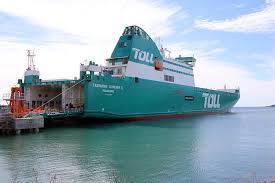
Sea transport remains the primary channel, with daily roll-on roll-off operations moving containers, vehicles, and bulk commodities between Tasmania and Victoria. Melbourne and Geelong act as the main reception points for cargo leaving the island. After arrival, shipments transition directly into major road corridors or rail lines, extending access to national distribution networks.
Air transport supports industries that need controlled environments or short delivery windows. Exports move through Hobart, Launceston, Devonport, and Burnie airports before connecting to metropolitan hubs such as Melbourne and Sydney. This ensures stable pathways for perishable goods, pharmaceuticals, specialised equipment, and premium-value items.
Tasmania also depends on reliable inland connections across the mainland. Road freight routes from Victoria link seamlessly into New South Wales, Queensland, and South Australia, enabling Tasmanian goods to reach national markets without disruption. These intermodal relationships strengthen Tasmania’s ability to participate in Australia’s broader freight system and support consistent supply chain performance.
Technology Supporting Tasmania’s National Freight Integration
Technology has become essential in supporting Tasmania’s integration with mainland logistics systems. Modern digital tools streamline freight scheduling, monitor cargo movement, and improve planning across multiple transport modes. These developments reduce the risk of delays and enhance the visibility required for national-level transport operations.
Real-time tracking ensures carriers know the exact position of shipments, which is critical when coordinating vessel departures, port availability, and road or rail transfers on the mainland. Automated scheduling tools help operators manage freight during peak periods and reduce bottlenecks at seaports and distribution hubs.
Transport management systems support route optimisation, document handling, and inventory coordination across state borders. Data analytics further assist operators in predicting demand patterns, adjusting service frequency, and managing capacity. These technologies help Tasmania align with the efficiency standards used across the Australian mainland.
As national freight networks continue to digitise, Tasmania benefits from shared systems that improve communication between port operators, carriers, warehousing providers, and distribution centres. Strong technological alignment reduces operational disruptions and enhances the reliability of interstate freight movement.
Infrastructure Strengthening Tasmania’s Connection to Mainland Routes
Infrastructure plays a major role in Tasmania’s integration with Australia’s national freight system. Upgrades in sea ports, air terminals, highways, and mainland logistics hubs ensure goods can move quickly between Tasmania and other states.
Tasmania’s main sea ports at Burnie, Devonport, Bell Bay, and Hobart have seen steady upgrades in container handling equipment, storage capacity, and berth improvements. These upgrades reduce vessel turnaround times and support larger volumes during peak periods. Enhanced roll-on roll-off facilities streamline vehicle and cargo transfers, strengthening the island’s sea link with Victoria.
Airports across Tasmania continue to expand their freight handling capabilities. Improvements in storage facilities, cold-chain areas, and runway capacity support industries requiring temperature-controlled or urgent transport.
Mainland infrastructure also plays a crucial role. Victorian ports, interstate highways, and national rail corridors all influence how quickly Tasmanian goods reach destination markets. Continued investment in these areas benefits both regions by creating smoother pathways for domestic and export transport.
Last-Mile Distribution and Its Role in National Connectivity
Last-mile distribution determines how efficiently goods move from mainland arrival points to final destinations across Australia. Because Tasmania depends on interstate transport, last-mile performance is essential for maintaining competitive delivery schedules.
Advanced route planning tools help distribution centres on the mainland allocate resources effectively, ensuring Tasmanian shipments remain on schedule. Local delivery hubs in Victoria and New South Wales support shorter delivery times and reduce congestion near major urban areas.
Real-time delivery updates, improved handling at regional distribution facilities, and specialised last-mile transport for sensitive goods all contribute to maintaining the quality and timing of shipments originating from Tasmania. These systems align the island’s logistics performance with national standards and support broader supply chain stability.
Challenges Affecting Tasmania’s Connection to the Australian Freight Network
Despite ongoing improvements, Tasmania’s connection to mainland Australia still faces several operational challenges that require careful management.
Weather conditions can impact sea freight schedules, influencing arrival times in Victoria. This can affect downstream road and rail connections, causing delays across multiple states. Capacity constraints during peak seasons also place pressure on ports and distribution hubs, particularly when export demand increases.
The island’s reliance on sea and air routes limits flexibility during disruptions, making timely communication essential. Infrastructure bottlenecks on the mainland can also influence the speed at which Tasmanian goods move through national networks.
Rising operational costs, including fuel, labour, and equipment maintenance, affect freight budgets across both Tasmania and the mainland. Companies continue refining their planning and using digital tools to minimise these challenges.
Outlook for Tasmania’s Integration With Australia’s Freight System
Looking ahead, Tasmania’s connection to Australia’s wider freight network will grow stronger as digital systems evolve and infrastructure investments continue. More efficient ports, advanced transport management platforms, and improved mainland transit routes will support higher freight volumes and reduce scheduling risks.
Electric vehicles, automated warehousing tools, stronger intermodal hubs, and enhanced route planning technologies will further strengthen Tasmania’s supply chain links. Collaboration between state and national transport authorities will remain essential to maintaining smooth freight flows across key trade corridors.
As Australia’s national freight network becomes more interconnected, Tasmania will benefit from improved reliability, shorter lead times, and more resilient transport options.
Conclusion
Tasmania plays a vital role in Australia’s freight and logistics system. With strong intermodal links, modern digital tools, upgraded infrastructure, and integrated logistics solutions, the island remains closely connected to national supply chains.
Continued investment and collaboration will support Tasmania’s long-term competitiveness and help maintain efficient links between regional producers, mainland markets, and global export destinations.