
How Tether Helps During Bear Markets: A Trader’s Safety Net
Prices fall, sentiment turns negative, and uncertainty rules the day. For traders and investors, surviving a downturn isn’t just about avoiding losses — it’s about staying smart, prepared, and flexible. This is where Tether (USDT) enters the picture as a vital strategic tool, offering shelter in the storm.
Tether is a stablecoin pegged to the US dollar, meaning one USDT is designed to maintain a value of exactly $1. While volatility defines most cryptocurrencies, Tether aims to eliminate it. During bullish times, traders often chase profits in coins like Bitcoin or Ethereum. But when prices start to crash and portfolios bleed red, Tether provides an essential escape hatch.
A common strategy during a bear market is to convert holdings from volatile assets into stablecoins like USDT. This act of “parking” funds protects traders from further losses without the need to exit the crypto space entirely. It’s a method of de-risking while remaining liquid and ready to re-enter the market when conditions improve. For many, this simple move has made the difference between riding out the storm or being forced to sell at a steep loss.
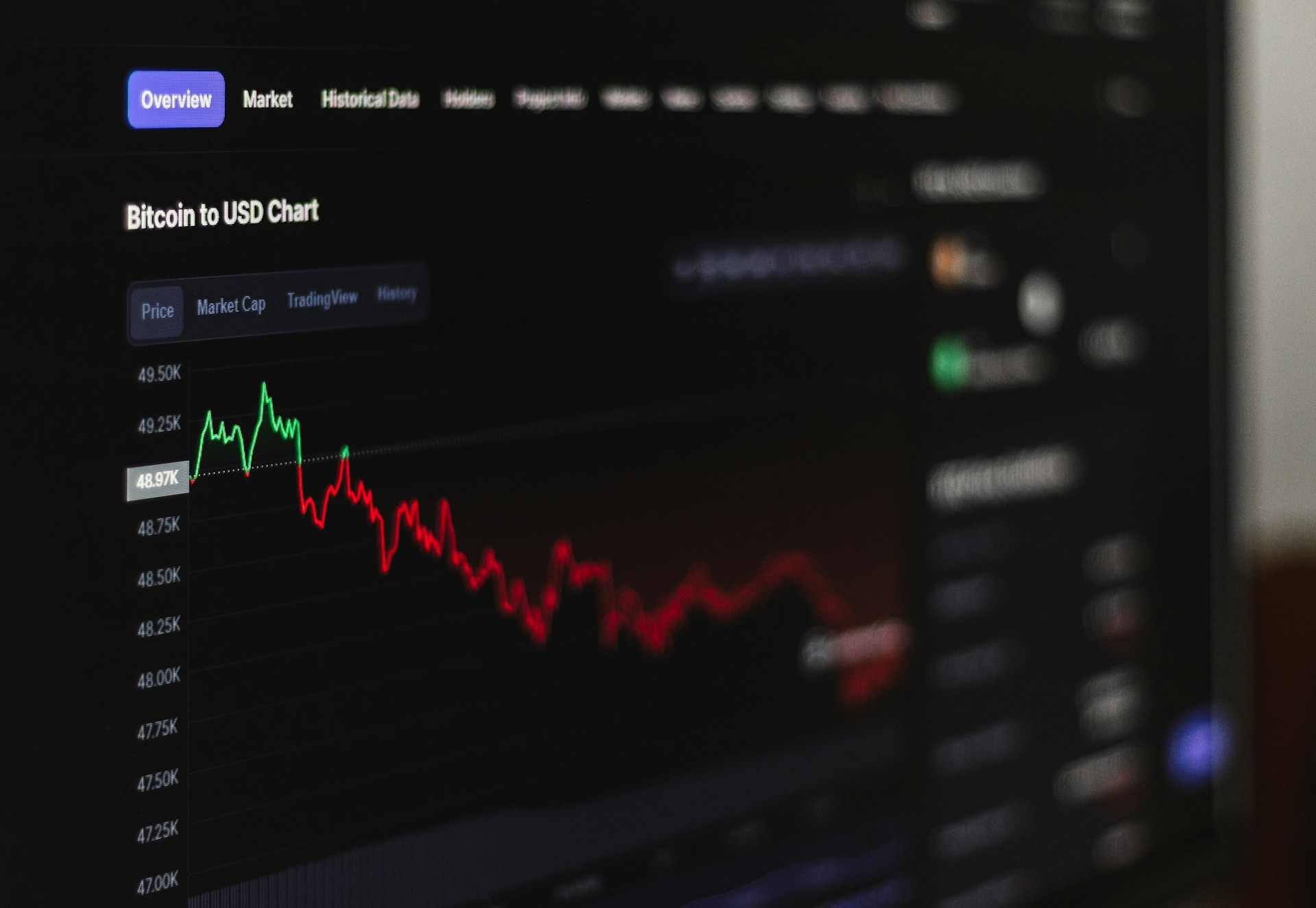
In practical terms, using Tether during a bear market allows traders to lock in the current value of their assets. Suppose a trader sees a downward trend forming in Bitcoin’s price. Rather than wait and hope for a reversal, they can convert BTC to USDT and preserve their capital. If the price continues to fall, they’ve already exited at a higher point and are now holding a stable asset. Later, when confidence returns and indicators signal a potential uptrend, that same USDT can be used to re-enter the market — often at a better price.
Beyond capital preservation, Tether can also help manage emotions. Fear and panic are common during bear markets. Watching a portfolio shrink can cloud judgment and lead to impulsive decisions. By shifting to USDT, traders gain peace of mind. They’re no longer riding the rollercoaster of daily price swings and can instead analyze the market with a clearer head.
Tether also allows for strategic buying opportunities. In bear markets, prices can reach levels considered undervalued or oversold. Traders holding USDT have the flexibility to take advantage of these dips. They don’t need to worry about converting fiat or waiting for deposits to clear. Their funds are already in the ecosystem, ready to be deployed the moment opportunity strikes.
This stablecoin strategy is especially useful in fast-moving markets where timing is everything. By having USDT on hand, traders can react quickly — whether it’s snapping up a favorite altcoin at a deep discount or joining a promising launch when the market turns bullish again.
Another layer of protection that Tether offers is against external economic turbulence. Bear markets in crypto often coincide with macroeconomic challenges — inflation, rising interest rates, or geopolitical crises. In such cases, moving funds to USDT can serve not just as a buffer against crypto volatility, but as a hedge against broader financial instability. While stablecoins are not immune to risks, they have so far proven to be a useful anchor in stormy waters.
Of course, like any tool, Tether isn’t perfect. Questions have been raised over the years about reserves and transparency, and while the company behind USDT has made efforts to provide more clarity, trust levels vary between users. Still, despite the debates, Tether remains one of the most widely used and liquid stablecoins on the market. Its deep integration with exchanges, DeFi platforms, and wallets makes it a convenient and practical choice for managing risk.
Ultimately, the role of USDT in a bear market is not to generate returns, but to preserve opportunity. It helps traders pause, regroup, and prepare. It acts as a digital form of dry powder — ready to be deployed when the time is right. In a landscape known for its unpredictability, having access to that kind of flexibility is a major advantage.
Whether you’re a short-term trader or a long-term believer in blockchain technology, the ability to step back and protect your capital is essential. Tether gives you that option without leaving the space — and in crypto, staying in the game is often half the battle.