
Understanding Polygraph Tests: The Role of Lie Detector Testing in Michigan
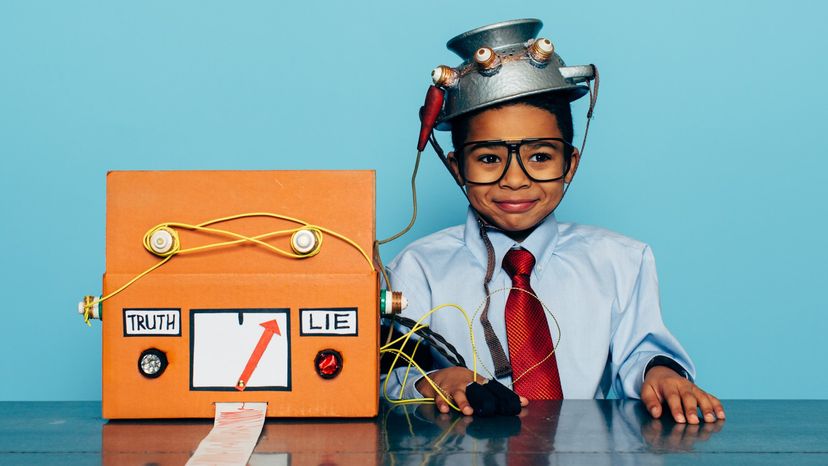
Polygraph tests, commonly referred to as lie detector tests, have long been a subject of both intrigue and controversy. These tests are widely recognized for their role in criminal investigations, employee screenings, and legal cases. In Michigan, as in many other states, the use of polygraph tests is both legally regulated and widely debated. A polygraph test works on the principle that when a person lies, their physiological responses—such as heart rate, respiration, and skin conductivity—change in measurable ways. However, the accuracy, legality, and ethical implications of these tests remain hot topics, particularly in the context of employment law and criminal justice within the state of Michigan.
How Polygraph Tests Work
At its core, a polygraph measures physiological indicators to assess whether someone is being deceptive. The process typically involves the attachment of sensors to the subject’s body to monitor heart rate, blood pressure, respiratory rate, and galvanic skin response. During the test, the examiner asks a series of control and relevant questions. The theory is that deceptive answers will produce different physiological responses compared to truthful answers. In Michigan, licensed examiners are required to follow strict procedural guidelines during these tests. The results are then interpreted by the examiner, although the interpretation is subjective and has led to debates about the reliability and admissibility of the results in court.
Legal Use of Polygraphs in Michigan
Michigan has specific laws governing the use of polygraph tests, especially in the context of employment and criminal investigations. Under both state and federal law—including the Employee Polygraph Protection Act (EPPA)—most private employers are prohibited from requiring or requesting that employees take a lie detector test. However, there are exceptions for certain job categories such as security personnel, law enforcement, and roles involving controlled substances. In criminal investigations, polygraph results are not generally admissible in court unless both parties in a case agree to their use. Even then, courts often view the results with skepticism due to questions about the test’s scientific reliability. Law enforcement agencies in Michigan may use polygraph tests as part of an investigation tool, but they are seldom the deciding factor in prosecutions or verdicts.
Polygraph Accuracy and Controversy
One of the major criticisms of polygraph tests lies in their accuracy—or lack thereof. While proponents argue that polygraphs can be up to 90% accurate when administered by skilled examiners, critics point to a significant rate of false positives and false negatives. A nervous but truthful person might be flagged as deceptive, while a practiced liar might pass the test without issue. In Michigan, as elsewhere, the polygraph is seen by many legal experts as a tool that should be used cautiously and only in conjunction with other investigative methods. The subjective nature of interpreting polygraph data further adds to the controversy, raising concerns about fairness, especially in high-stakes legal situations.
The Future of Lie Detection in Michigan
Despite ongoing debates, polygraph testing in Michigan continues to be used in Michigan for pre-employment screening in specific sectors and during criminal investigations. There is also growing interest in alternative and emerging lie detection technologies that use brain scans or artificial intelligence to assess truthfulness. These newer methods are still in the experimental stages and have not been widely adopted. For now, the polygraph remains the primary method of physiological lie detection. However, its role is likely to evolve as both technology and legal standards continue to advance.
Location in Michigan
Livonia – 38221 Plymouth Rd, Ste 2, Mailbox 11, Livonia, MI 48150
In conclusion, while polygraph tests can serve as a useful tool in certain scenarios, their application in Michigan is governed by strict legal standards and remains controversial due to questions about reliability and fairness. Whether used in employment screening or criminal cases, the polygraph should be approached with caution and a clear understanding of its limitations.