
How to Choose the Right Center Pivot Irrigation Gearbox for Your Farm?
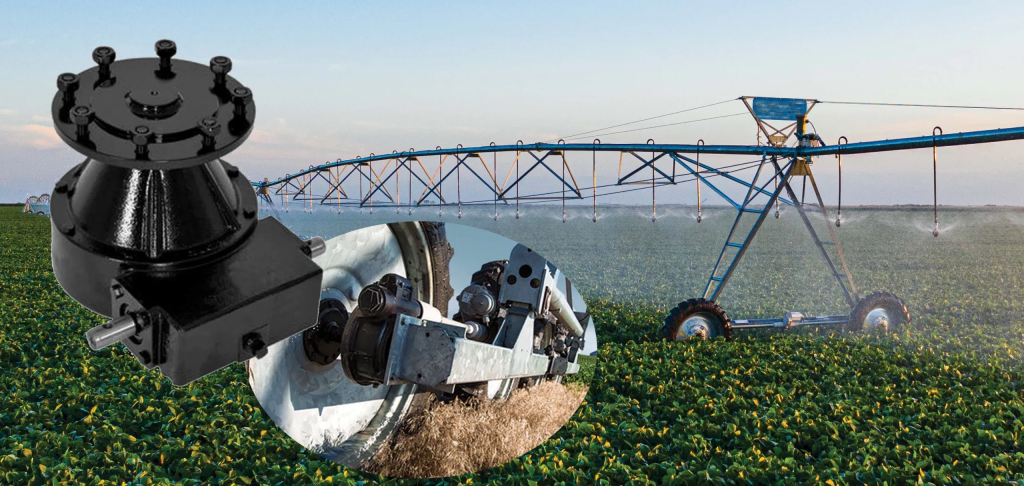
Selecting a gearbox for your center pivot irrigation system demands careful thought, much like picking the engine for a reliable tractor—it has to handle the daily grind without faltering. These gearboxes drive the towers that keep your pivots circling fields, ensuring even water distribution to boost crop health and yields. A poor choice might lead to breakdowns during peak seasons, while the right one delivers years of steady performance. Drawing from practical experiences shared by farmers and manufacturers, this guide breaks down the essentials to help you match a gearbox to your operation’s unique demands.
Assessing Your Farm’s Specific Requirements
Every farm presents its own set of challenges, from rolling hills to sandy soils, and your gearbox must rise to them. Start by mapping out your terrain: Is it flat and forgiving, or dotted with ruts and inclines that demand extra torque? For uneven ground, prioritize units built to manage higher loads without straining.
Next, consider the scale of your pivot system. Shorter spans on smaller plots might thrive with standard models, but longer arms—stretching over 1,000 feet—require gearboxes that support heavier towers and prevent sagging or misalignment. Think about your crops too; water-thirsty varieties like corn may need faster rotation speeds for frequent passes, whereas drought-tolerant grains could benefit from slower, more deliberate movements to minimize runoff.
Evaluating Gear Types and Ratios
Gearboxes come in worm or helical configurations, each with strengths suited to different setups. Worm gears, often favored for their simplicity and self-locking traits, provide high reduction ratios like 50:1 or 52:1, ideal for steady, low-speed propulsion across average fields. They excel in preventing back-drive, which keeps the system stable when powered off.
Helical gears, on the other hand, offer smoother operation and better efficiency, especially in high-speed applications or when noise reduction matters. Look for ratios ranging from 40:1 for quicker cycles to 60:1 for heavy-duty, low-speed needs on expansive or hilly acres. A wide-base tooth angle in the gears helps distribute stress evenly, cutting down on wear from constant field vibrations.
Prioritizing Torque, Speed, and Durability
Torque ratings tell you how much pulling power the gearbox delivers—crucial for pushing through mud or over obstacles without stalling. Aim for models exceeding your system’s calculated load by at least 20% to account for unexpected stresses, such as wind gusts or soil compaction. Speed capabilities tie into this; variable options let you tweak rotations based on weather or growth stages, conserving energy and water.
Durability hinges on materials: Cast iron housings resist corrosion in humid climates, while hardened steel gears fend off abrasion from dust-laden environments. Seek out surface- or case-hardened bearings over through-hardened ones—they’re less prone to cracking under prolonged use. Features like large-capacity diaphragms expand with heat, blocking moisture ingress and extending seal life in variable temperatures.
Ensuring Compatibility and Ease of Installation
A gearbox must integrate seamlessly with your existing setup to avoid costly modifications. Check mounting configurations—some offer versatile flanges or brackets adaptable to various tower designs, ensuring proper alignment with motors and wheel hubs. Input shafts should match your electric or hydraulic motor’s spline or keyway precisely, while output shafts need to fit wheel assemblies without adapters that could introduce weak points.
Universal joints on outputs accommodate minor terrain shifts, preventing binding during operation. For farms with multiple pivots, standardize on one brand to simplify parts inventory and training for your team.
Focusing on Maintenance and Long-Term Support
Downtime hurts profits, so opt for gearboxes designed for straightforward upkeep. Accessible lubrication ports and sight glasses make oil checks routine, and replaceable seals or bearings cut repair times. High-quality synthetic lubricants cling better between gears, reducing friction even in extreme heat or cold.
Warranties speak volumes—look for coverage spanning 10 years or 16,000 hours, signaling manufacturer confidence. Availability of spare parts and local dealer support can make or break your choice; remote farms especially need reliable access to components without long waits.
Balancing Cost with Overall Value
Initial price tags vary, but skimping here often backfires through frequent replacements or energy waste. Calculate total ownership costs, including fuel savings from efficient designs and reduced labor for maintenance. Premium models with enhanced load capacities—up to 55% greater in some heavy-duty lines—justify their expense on large operations by enabling longer spans and fewer towers.
Compare user reviews and field tests; a gearbox that holds up in similar conditions to yours offers peace of mind over unproven bargains.
Making the Final Decision
Narrowing down options boils down to aligning specs with your farm’s realities—terrain, size, crops, and budget. Consult with dealers or engineers for custom recommendations, perhaps testing a unit on a trial basis. The right center pivot irrigation gearbox not only keeps water flowing evenly but also supports sustainable practices, trimming water use and enhancing yields season after season. With thoughtful selection, you’ll equip your farm for resilience against whatever nature throws its way.