
The Historical Trade Routes of Himalayan Shilajit
Shilajit, a mineral‑rich resinous substance revered for its health and restorative properties, has a long history that extends far beyond its origins in the towering peaks of the Himalayas. For centuries, Shilajit was not only a valued component of traditional medicine but also a traded commodity carried along ancient routes that connected mountain communities with plains, cities, and distant regions. These historical trade routes facilitated the movement of Shilajit from isolated high‑altitude locales into broader markets, where scholars, healers, and traders shared knowledge of its benefits. Even today, the legacy of these ancient pathways informs how high‑quality products such as https://www.newphaseblends.com/product/pure-himalayan-shilajit/ are sourced and appreciated globally. Exploring the historical trade routes of Himalayan Shilajit provides insight into cultural exchange, economic networks, and the spread of traditional medicinal knowledge over centuries.
Origins of Shilajit in Himalayan Culture
The earliest use of Shilajit predates formal trade networks. Indigenous Himalayan communities recognized its therapeutic value long before wider civilizations documented it. Villagers, herders, and nomadic groups collected Shilajit during specific seasons when the resin oozed from rock fissures. These early users passed down knowledge through oral traditions, describing Shilajit as a “life force” substance that strengthened the body, enhanced stamina, and supported resilience against the harsh mountain environment. This foundational understanding set the stage for Shilajit’s transition from local use to broader exchange.
Himalayan Passes as Pathways of Exchange
The rugged terrain of the Himalayas challenged early travelers but also served as natural corridors for movement. Mountain passes like the Khyber, Karakoram, and several lesser‑known high‑altitude paths connected the Himalayas to Central Asia, the Indian subcontinent, and beyond. Traders and pilgrims who traversed these routes carried goods, cultural practices, and medicinal substances—including Shilajit—to distant settlements. These interactions facilitated a cross‑pollination of knowledge about health and wellness practices rooted in local resources.
Trade Along Ancient Silk Road Networks
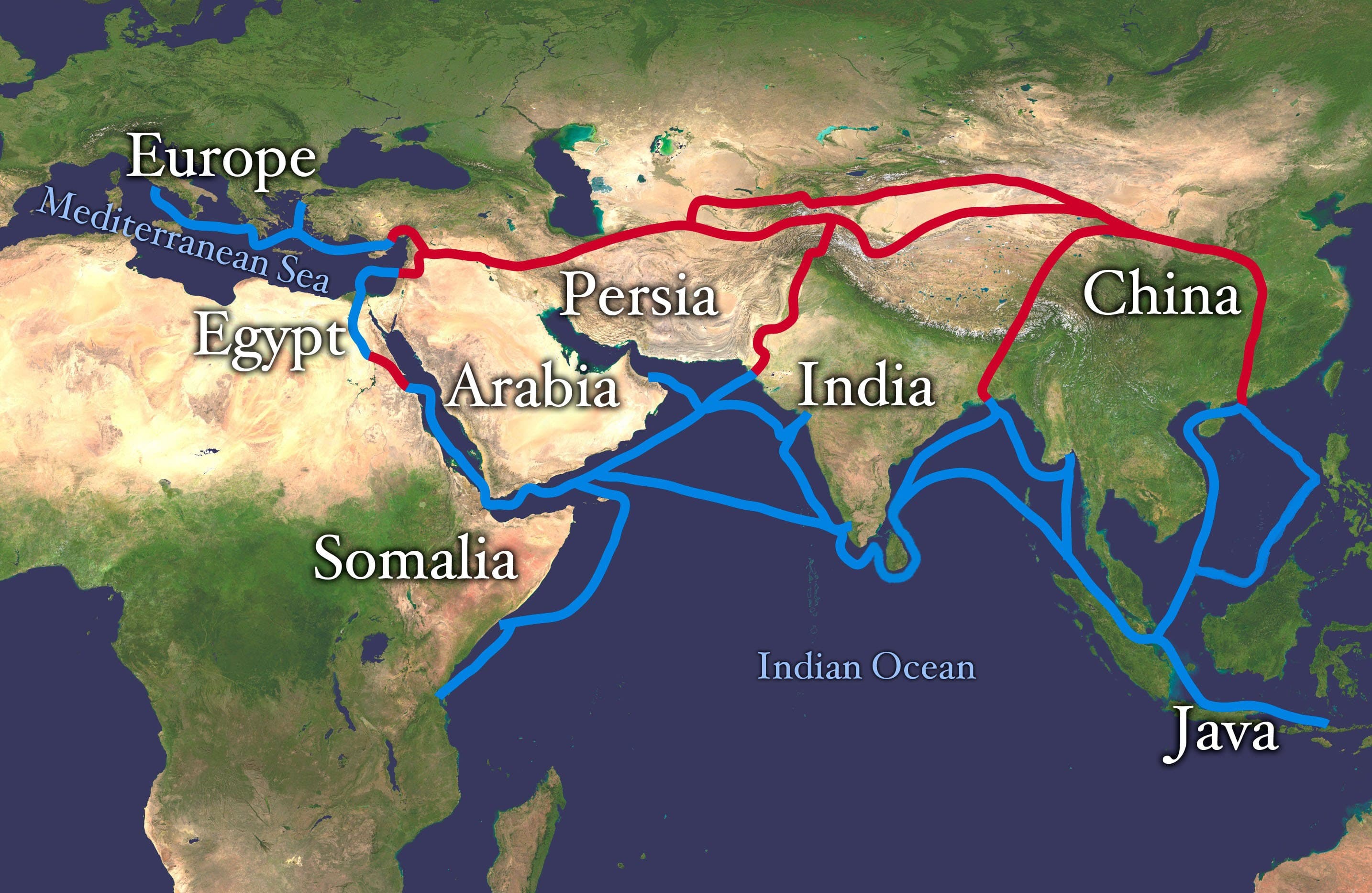
The Silk Road is often associated with silk, spices, and luxury goods, but it also served as an artery for lesser‑known commodities like Shilajit. Caravans transporting textiles, metals, and medicinal herbs frequently included substances like Shilajit among their loads. Documentation from merchants and travelers suggests that Shilajit made its way along Silk Road branches that connected the Indian subcontinent with Persia, Central Asia, and parts of the Middle East. In these exchanges, Shilajit was not merely a commodity but a bearer of Himalayan medical wisdom, finding its way into diverse traditional healing systems.
Integration into Ayurvedic and Traditional Medical Trade
Ayurvedic medicine, with its extensive documentation in texts such as the Charaka Samhita and Sushruta Samhita, played a key role in formalizing methods of processing and prescribing Shilajit. As Ayurvedic practitioners engaged in trade with neighboring regions, Shilajit became part of a wider pharmacopeia that included herbs, minerals, and natural extracts. Merchants transporting Ayurvedic formulations often carried Shilajit as a core ingredient, bolstering its presence in markets across South Asia. This integration helped solidify Shilajit’s reputation as a therapeutic agent beyond its native mountain regions.
Cultural Exchange Through Pilgrimage Routes
Pilgrimage routes that wound through the Himalayas—leading to sacred sites such as Mount Kailash, Amarnath, and other revered peaks—also facilitated the spread of Shilajit. Pilgrims often carried local medicinal remedies, including Shilajit, to sustain themselves on arduous journeys. In return, they shared knowledge of these substances with other travelers, priests, and communities along the way. The spiritual context of these journeys added an additional layer of significance to Shilajit, blending physical health with spiritual well‑being in local belief systems.
Trade and the Spread of Medicinal Knowledge
Along historical trade routes, exchange was not limited to physical goods. Merchants, healers, and nomads shared knowledge of traditional remedies, preparation techniques, and therapeutic applications. Shilajit’s migration from remote mountains into marketplaces prompted its study and adaptation within diverse healing traditions, including Unani medicine, Tibetan medical practices, and various folk medicine systems. This dissemination of knowledge enriched regional approaches to health and solidified Shilajit’s role in medicinal traditions across Asia.
Economic Networks and Merchant Guilds
In medieval and early historical periods, merchant guilds and trading networks played an important role in the distribution of valuable commodities like Shilajit. These networks operated between Himalayan regions and lowland bazaars, often exchanging goods such as salt, spices, metals, and natural remedies. Shilajit’s place in these networks was secured by its perceived scarcity—available only in specific mountain terrains—and its reputed efficacy. Traders often established long‑term relationships with local harvesters, ensuring a steady flow of resin to meet demand in urban centers.
Maritime Trade and Later Dissemination
While the Himalayan interior was largely connected through overland routes, later periods saw Shilajit introduced to regions accessible by maritime trade. Indian Ocean ports became hubs where goods from the interior, including Shilajit, were exchanged for products from Arabia, East Africa, and Southeast Asia. Over time, Shilajit’s presence extended beyond Asia, reaching communities with little direct contact with the Himalayas. These trade dynamics highlight the adaptability of traditional commodities in larger economic frameworks.
Cross‑Cultural References in Manuscripts and Records
Historical references to Shilajit appear in a variety of manuscripts and trade records. Persian, Arabic, and Central Asian texts describe medicinal substances with qualities matching Shilajit, often noting its restorative properties and Himalayan origin. These cross‑cultural references provide evidence of how trade networks carried both goods and knowledge across linguistic and cultural boundaries. Through these records, modern researchers can trace Shilajit’s historical footprint and better understand its role in premodern health practices.
Colonial Period Documentation and Interest
During the colonial era, European scholars and administrators documented local medicinal practices in regions under British and other colonial influence. Accounts of Shilajit appear in botanical surveys, health treatises, and travellers’ journals, often with descriptions of local harvesting and use. This period marked a transition from oral and manuscript traditions to printed documentation, preserving information about Shilajit for global audiences. Colonial records also contributed to early scientific inquiry into Shilajit’s composition and purported effects.
Transition to Modern Markets and Global Recognition
With the advent of modern trade and globalization, Shilajit moved beyond historical routes into international wellness markets. Today’s supply chains reflect centuries of movement, adaptation, and cross‑cultural exchange. Contemporary interest in natural remedies and traditional medicine has revived global demand for Shilajit, fueling scientific research and commercial availability. Although many aspects of historical trade have evolved, the enduring presence of Shilajit in markets across continents highlights its lasting significance.
Preservation of Traditional Knowledge and Ethics
The historical trade of Shilajit underscores the importance of preserving traditional knowledge and ethical sourcing practices. Ancient trade routes often involved deep relationships between harvesters, traders, and communities that understood the ecological context of Shilajit. Modern supply chains can benefit from these practices by promoting sustainability, fair compensation, and respect for cultural heritage. Preserving ethical frameworks ensures that Shilajit continues to be sourced responsibly, honoring the traditions that sustained it for centuries.
Legacy of Trade Routes in Contemporary Use
The legacy of historical trade routes continues to shape how Shilajit is perceived and used today. Regional preferences, preparation methods, and cultural associations have influenced modern formulations and wellness practices. As Shilajit reaches new audiences, its historical journey reminds us that traditional substances are often woven into broader narratives of human movement, exchange, and adaptation.
Conclusion: The Enduring Journey of Himalayan Shilajit
The historical trade routes of Himalayan Shilajit reveal a fascinating intersection of geography, culture, and commerce. From the high mountain passes frequented by nomads and pilgrims to the sprawling networks of the Silk Road and maritime exchanges, Shilajit has traversed vast distances and diverse landscapes. Its journey from remote alpine fissures to global wellness shelves captures centuries of human curiosity, ingenuity, and interconnectedness. Early documentation in regional literature, merchant records, and cross‑cultural manuscripts highlights how Shilajit became valued far beyond its place of origin. Today, understanding these historical routes enriches appreciation for Shilajit’s cultural and medicinal legacy, showing how a natural mountain resin became a cherished resource across time, space, and civilizations.